Why Business Owners Should (And Shouldn't) Podcast
If you're a business owner considering a podcast, you're probably thinking about it wrong.
You're thinking: "Should I start a podcast to grow my audience?"
The better question: "How can a podcast directly contribute to my business objectives?"
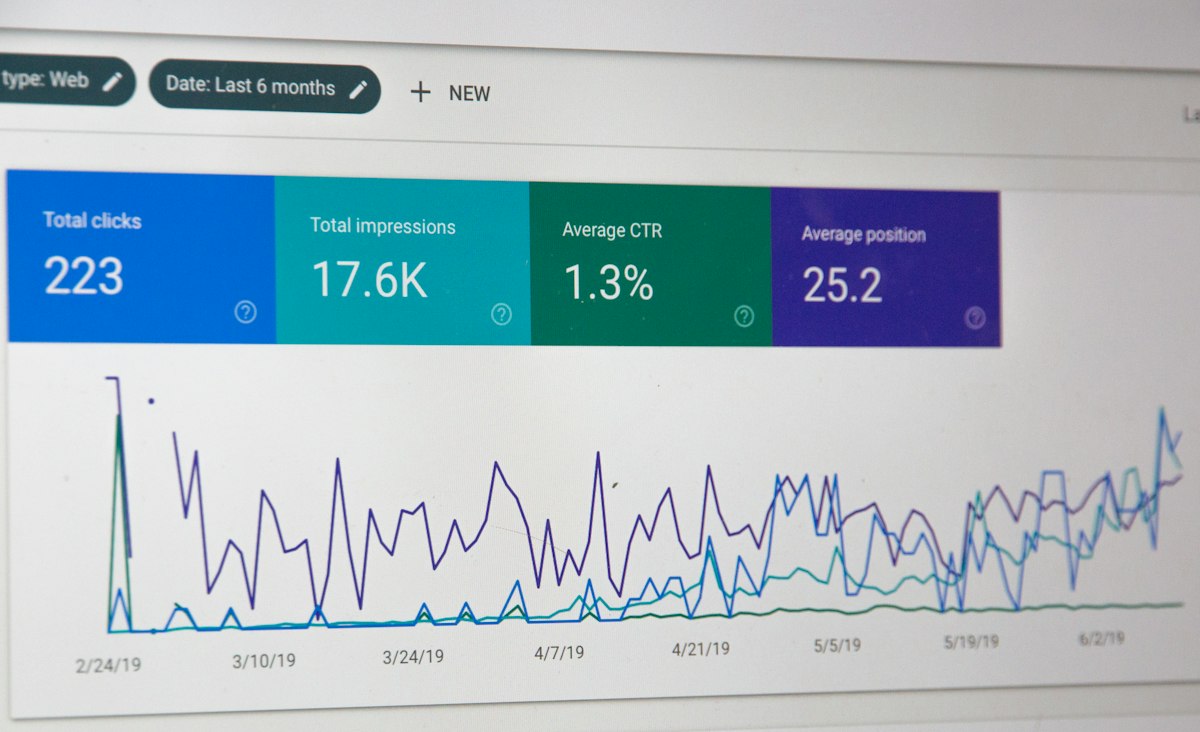
Downloads are vanity metrics. What matters is:
- Qualified leads generated
- High-value relationships built
- Authority established in your niche
- Content created that supports your sales process
Good Reasons to Start:
1. Strategic relationship building - Interview your ideal customers, partners, and referral sources under the guise of "featuring them on your podcast."
2. Lead generation on autopilot - Evergreen content that attracts your ideal customer profile for years.
3. Authority positioning - "I host a podcast about [topic]" instantly elevates credibility in sales conversations.
4. Content multiplication - One episode becomes: blog post, LinkedIn article, email sequence, social content, sales enablement material.
5. Market research - Direct access to your ideal customers' pain points, language, and objections.
Bad Reasons to Start:
1. "Everyone's doing it" - Most business podcasts fail because they lack strategy.
2. "It's cheaper than ads" - It's time-intensive. If you can't commit 4+ hours/week, you're better off with paid ads.
3. "To get famous" - Fame doesn't pay bills. Strategic positioning does.
The Business Podcast Strategy Framework
Step 1: Define Business Objectives First
Before choosing topics, answer: What business outcome do you want?
- More qualified leads in your pipeline?
- Partnerships with complementary businesses?
- Authority to command premium pricing?
- Thought leadership to attract talent?
Your answer determines everything else.
Step 2: Design For Your ICP, Not "Everyone"
Your podcast should speak to your Ideal Customer Profile exclusively.
Filter every decision through: "Would my ideal customer care about this?"
Example: B2B SaaS Company ICP: VP of Marketing at companies with 50-200 employees
Perfect episode: "How to Get Executive Buy-In for Marketing Budget" Wrong episode: "10 Social Media Tips for Small Businesses" (too broad, wrong seniority)
The tighter your focus, the more qualified your leads.
Step 3: Strategic Guest Selection
Guest interviews aren't just content—they're business development.
Type 1: Dream Clients - Interview companies you'd love as customers. You're now in their network.
Type 2: Referral Partners - Interview people who serve your same ICP but aren't competitors. Creates cross-referral opportunities.
Type 3: Industry Influencers - Interview respected voices for borrowed authority and audience access.
Guest selection = business development disguised as content creation.
Step 4: Conversion Mechanisms (Not Just Content)
Every episode needs a conversion path.
CTAs that work for business podcasts:
- Free Resource (Lead Magnet): "Download our [Relevant Tool/Template]"
- Assessment or Audit: "Get a free [Assessment] of your current [Process]"
- Case Study: "See how we helped [Similar Company]"
- Consultation Offer: "Book a 15-minute strategy call"
- Email Course: "Sign up for our 5-day email course"
The rule: One clear, relevant CTA per episode. Not three. One.
Step 5: Repurpose For Maximum ROI
One podcast episode should become:
Week 1: Publish podcast (audio + video + transcript) Week 2: Written content (LinkedIn article, blog post, Twitter thread, email) Week 3: Sales enablement (pull quotes, objection handling, knowledge base) Week 4: Paid promotion (short video ads targeting ICP)
1 hour of recording → 15+ pieces of content
Podcast Formats That Drive Business Results
Format 1: The "Problem-Solution" Solo Show
15-20 minute episodes. Identify specific problem your ICP faces. Teach your framework. CTA to deeper resource. Best for: Service businesses, consultants, agencies
Format 2: The "Customer Interview" Show
Interview your best customers about how they solved problems with your solution. Best for: SaaS, B2B products, agencies with case studies
Format 3: The "Industry Insider" Show
Interview leaders in your industry about trends and challenges. Best for: Professional services, B2B sales, partnership-driven businesses
Format 4: The "Ask Me Anything" Show
Answer listener/customer questions with tactical, actionable advice. Best for: Coaches, consultants, educators
Measuring Podcast ROI (Beyond Downloads)
Forget vanity metrics. Track business impact:
Lead Generation:
- Unique link clicks from episodes
- Email signups from CTAs
- Consultation bookings
Pipeline Impact:
- Deals influenced by podcast
- Close rate of podcast-sourced leads
- Customer lifetime value
Relationship Building:
- Guest relationships that became partnerships
- Guest relationships that became clients
- Referrals from guests
The calculation:
Monthly Investment: 16 hours (4 hours/week × 4 weeks) Monthly Return: 10 qualified leads × $5K average deal × 20% close rate = $10K revenue influenced
ROI: $10K return on 16 hours = $625/hour value
If your time is worth less than the return, the podcast makes sense.
Your Business Podcast Action Plan
Before You Start:
- Define specific business objective
- Identify your ICP precisely
- List 20 potential guests (dream clients + partners)
- Design conversion mechanism
- Calculate required ROI
Launch Strategy:
- Weeks 1-4: Record first 6 episodes (batch)
- Week 5: Launch with 3 episodes live
- Week 6: Begin guest outreach for episodes 7-12
- Week 7: Implement repurposing system
- Week 8: Evaluate first month metrics
Your podcast isn't a hobby. It's a business asset. Design it accordingly.